FUSION
DB
KV + Graph + Vector — One Atomic Write
FusionDB fuses three storage layers — encrypted key-value, semantic graph, and HNSW vector — inside a single BadgerDB transaction. Every write succeeds completely or rolls back entirely. No partial state, ever.
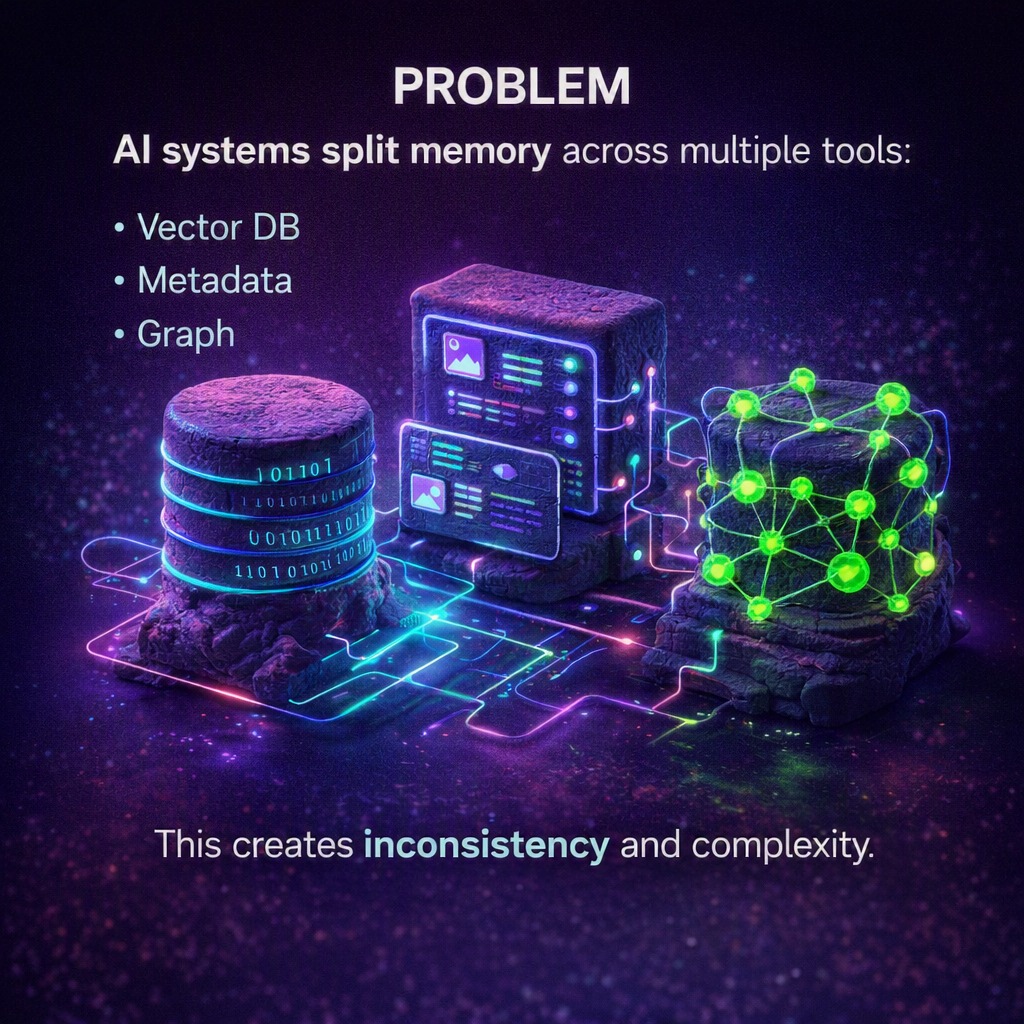
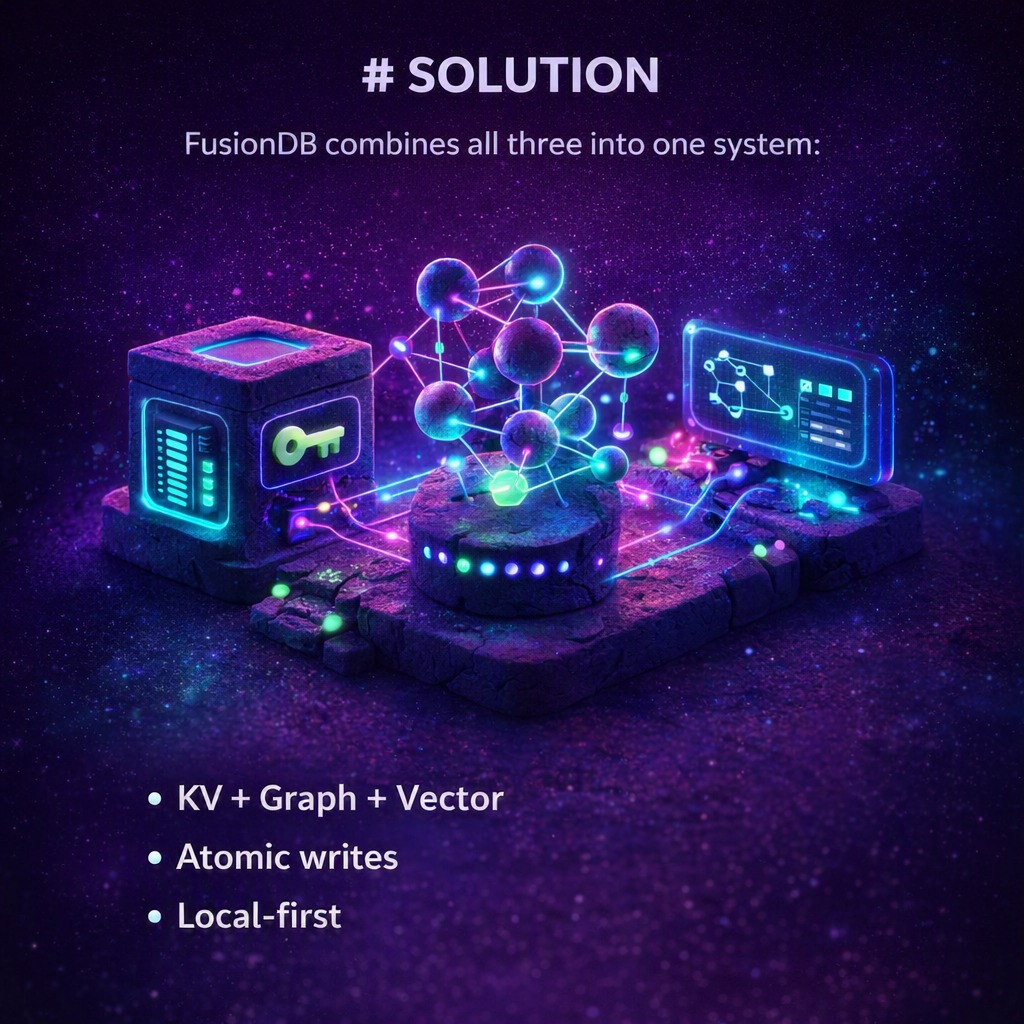
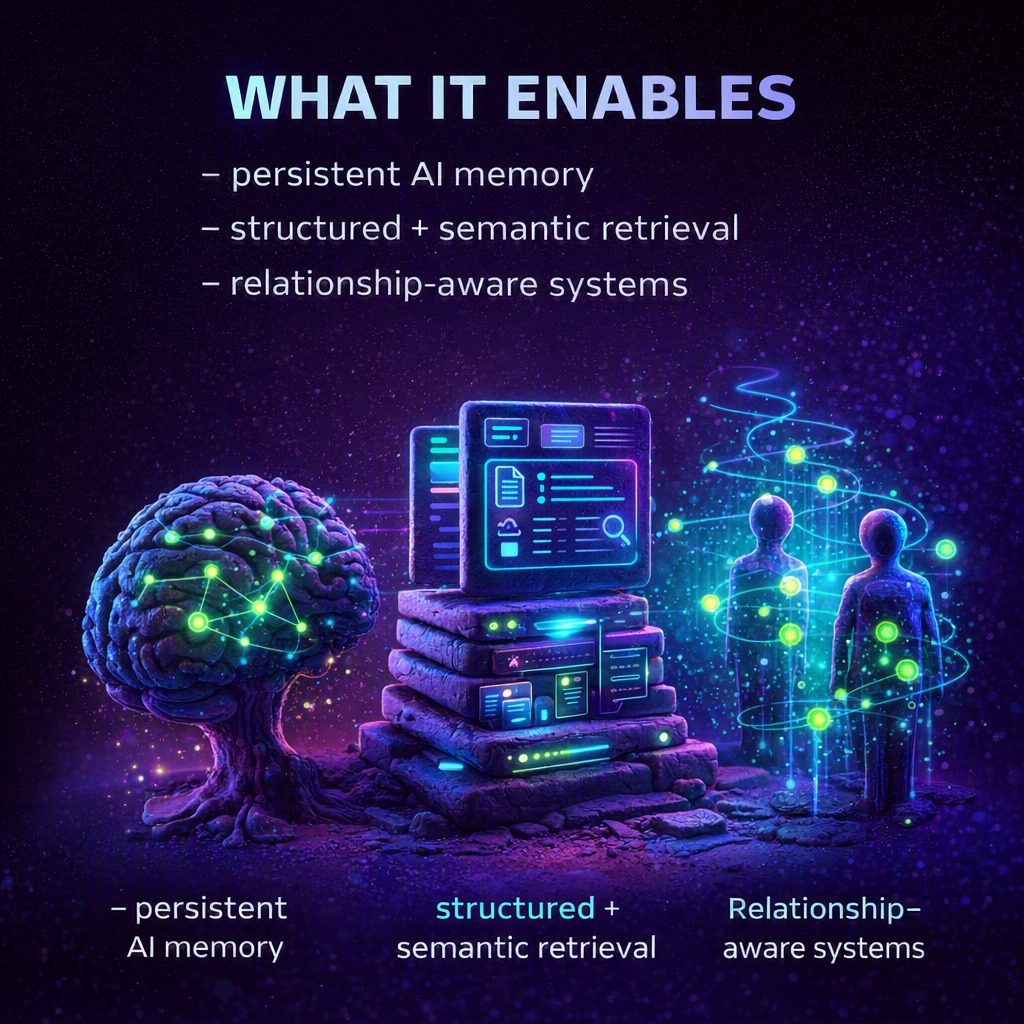
Three Layers. One Transaction.
Every Fuse() call writes across all three storage layers in a single atomic BadgerDB transaction. A failure in any layer rolls all three back — guaranteed.
Built Different
All KV payloads are encrypted with AES-256-GCM before touching disk. Fresh random nonce per write. PII graph edges are masked with HMAC-SHA256 — the raw value never enters the index.
A single Fuse() call commits KV, Graph, and Vector in one serializable transaction. Partial writes are structurally impossible — if anything fails, everything rolls back.
Bayesian scoring engine ranks results by salience × recency × reliability − decay. Query by ID, by vector similarity, or traverse the graph — all from the same interface.
UFL is a JSON-based declarative interface for all reads and writes. One manifest format for fusing entities, querying by vector, and traversing the 4-degree ontology.
Entity relationships organized by gravity: Primary → Secondary (PII) → Tertiary (assets) → Quaternary (loose refs). HydrateEntity() resolves all degrees and decrypts PII.
No Kubernetes, no vector service, no graph database cluster. FusionDB ships as a single self-contained binary. Deploy it anywhere Go runs — from a Raspberry Pi to a data center.
Up in Two Commands
Set your encryption key, point FusionDB at a directory, and start fusing entities across all three storage layers — that's it. No schema migrations, no service discovery.
Own Your Data Infrastructure
One license. One binary. No subscriptions, no cloud lock-in, no per-seat pricing. FusionDB runs wherever you need it.